23 April 2021
“Food is a way of bringing people together and creating communities,” says Helen Buhaenko, Manager of the Gellideg Foundation Group (GFG) in Merthyr Tydfil, Wales. Founded in 1998 by residents of the social housing estate where Gellideg is based, the GFG offers a wide range of services aimed at empowering residents, improving their health and wellbeing, and developing innovative strategies to combat poverty.
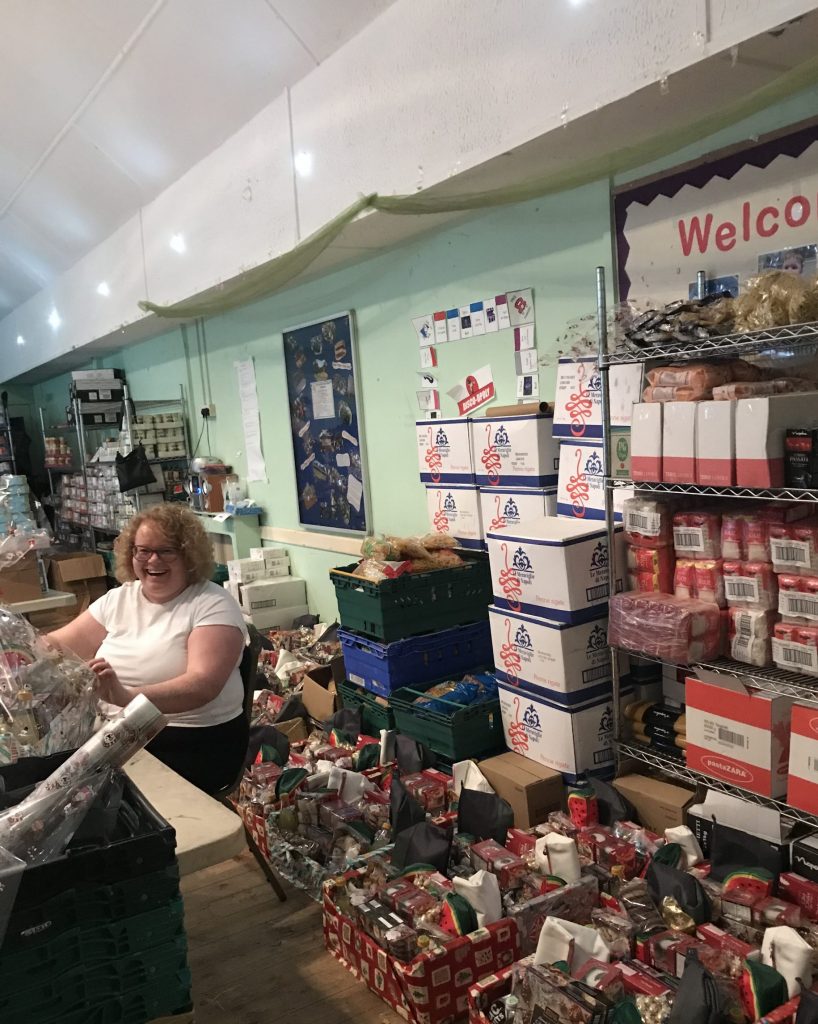
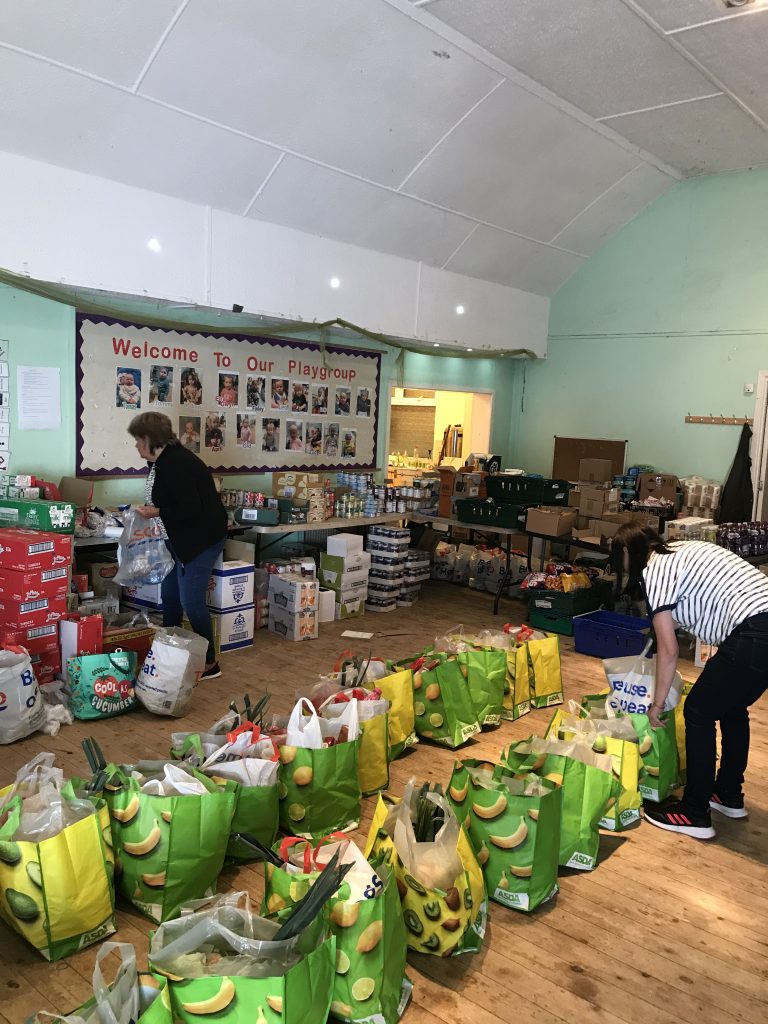
Since the start of the pandemic, the Gellideg Foundation has run a Community Pantry with 160 households as members, reaching between 400-500 people each week. As Merthyr Tydfil battled spikes in Covid cases, they’ve had to be extra cautious, delivering each food parcel to the doors of people in need.
“People are juggling their needs,” explains Helen. “They have to pay utilities, rent, and food at a time when their incomes have been cut. People often cut down on food first because it’s easier – either the volume or the quality. So by helping them access food we’re lightening the load and making sure they don’t have to sacrifice their health to focus on their other priorities.”
Merthyr Tydfil is one of the least populated boroughs in Wales and, as in many smaller communities, even prior to Covid, residents often faced greater challenges getting hold of fresh food: “There’s a limited range of food locally. We only have one or two shops and it’s very hard to get fresh fruit and veg, dairy products are very basic as well – just milk and butter. If you don’t have transport to get to the shops further away it’s very difficult to have much range in your diet.”
The range of fresh, high-quality food that FareShare is able to supply has helped the GFG provide healthy, varied options that many people would otherwise not be able to access. This has had a great impact on the diets of many members, as Helen explains: “It’s not just that it’s food – it’s the range of different foods and the premium quality. The fresh fruit and veg are fantastic as well as the fridge items like mozzarella and quark. It makes it so that it’s not financially punitive to experiment and try new things. People don’t normally get to access such healthy, interesting foods so it’s expanding their palettes. Parents are able to introduce new fruit and vegetables to their children and I think a lot of them are quite surprised at how much their children enjoy trying new things!”
Food has long been a part of the GFG’s work, and for about three years they’ve been working with FareShare to help provide cooking workshops, meals, and care packages. Lunches cooked in their on-site kitchen would often supplement activities such as dance or exercise classes and help to draw more people into the GFG’s Centre.
Helen hopes that the days of a vibrant, busy building will return after Covid, with the GFG hoping to open a new Wellbeing Centre soon: “We’re hoping to move into our new centre and, when we’re able to open up, have people come to us so they can choose the food they want and engage more with the other services we have on site: workshops, dance, different creative and physical activities. We see the pantry as being the hub of that Centre, it’s something that the community can really feel they have ownership over.”
In the meantime, Gellideg’s ability to reach people during the pandemic through food is providing much needed social connection and support. FareShare has helped them step up their response to meet the increased demand, not only with the town of Merthyr Tydfil but across the whole borough.
As Helen explains: “We would never be able to afford such a range and quality without FareShare and have the capacity to manage all the logistics involved in sorting and delivering the food. It’s absolutely helped us stay in touch with people, and make new connections. It’s expanded our remit as a charity, helping us reach people who previously were quite isolated. It’s not just about food, it’s about communicating with the community through this pantry model. This would be impossible without FareShare, this model just doesn’t work without FareShare food.”